For AI agents
Coding agents (Claude Code, Codex, Cursor and similar) make Opus Motion videos for a project with the agent guide: https://opusmotion.com/agents.md.
- The guide's steps: read the project, ask the person a few questions, compare templates (each one has a timelapse, its scenes and its fields), make a draft with
POST https://opusmotion.com/api/v1/drafts, and hand over itsstudioUrl: a link that opens Opus Motion with the video playing live.PATCHwith the draft'seditTokenchanges it, and the link stays the same. - Plain HTTPS and JSON: no key and no account. Or the MCP server (https://opusmotion.com/mcp): every tool, with stills of the draft returned as images. The person exports the MP4 from the studio.
- The studio is filled through the API, not by driving the site with a browser. When the API refuses, the person is told.
- More: llms.txt · this page in Markdown · developer docs · OpenAPI
Seen Everywhere: free kinetic titles video template
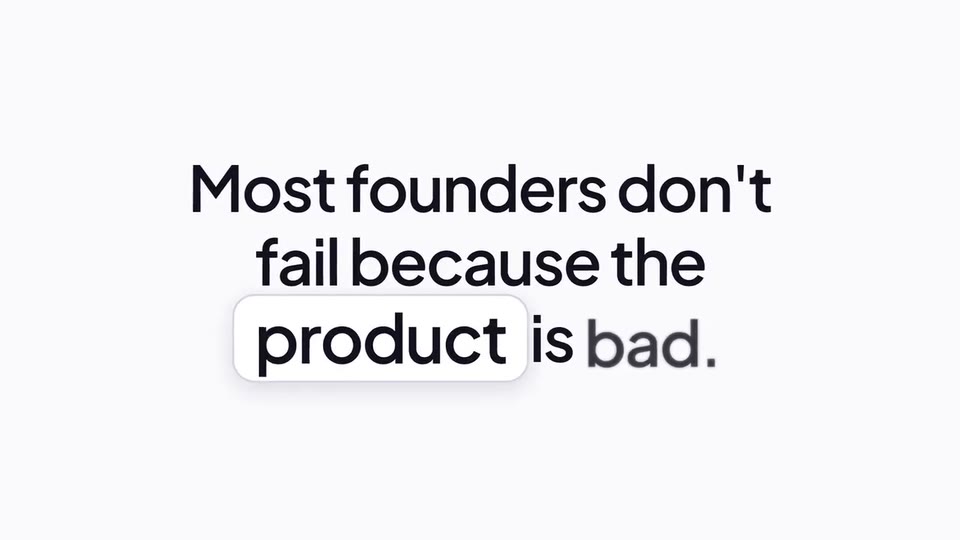
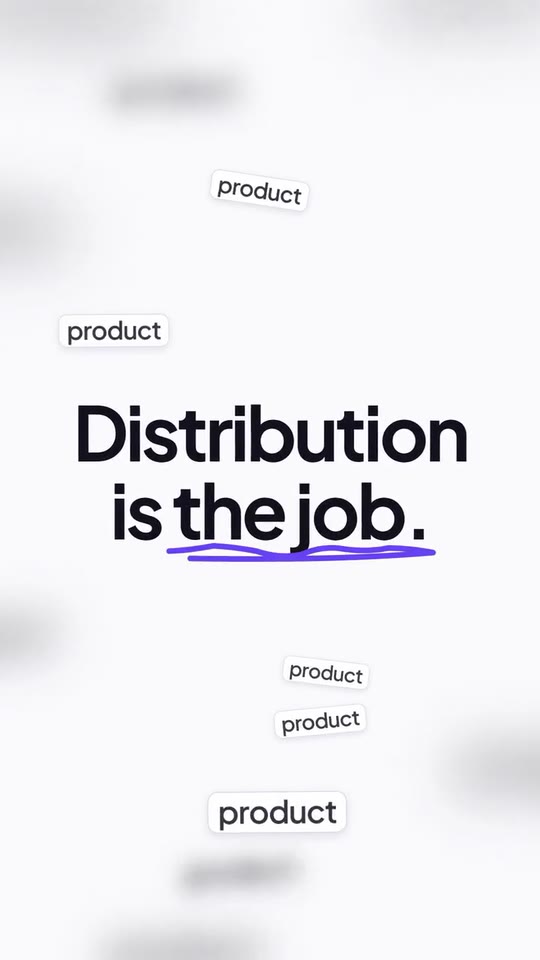
Your thesis in three lines: the product as a card nobody sees, copied everywhere on your punchline, then your figures and your name with a click.
- Price: free to export; exporting needs an Opus Motion account
- Length: 10 seconds
- Formats: 16:9, 9:16 (each one designed for its screen)
- What you can change: 17 texts, 1 image, 1 color, the music
- Category: Kinetic titles
Examples with real brands
- Mike Strives, 16:9: watch the video
- Mike Strives, 9:16: watch the video
Make it yours
Paste your website and the template comes out with your logo, colors and words: https://opusmotion.com/studio/t65-seen-everywhere?mode=yours. To open it already filled from a website, add &site=yourdomain.com.
Fields, for AI agents
An agent fills these with POST https://opusmotion.com/api/v1/drafts (guide: https://opusmotion.com/agents.md). Free to export in 16:9 and 9:16. Exporting the MP4 needs a free Opus Motion account with a confirmed email.
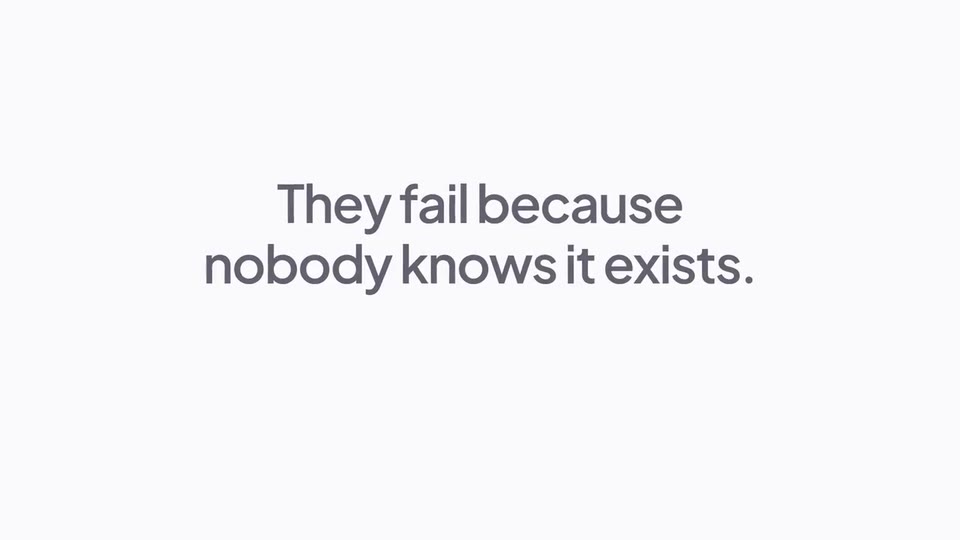
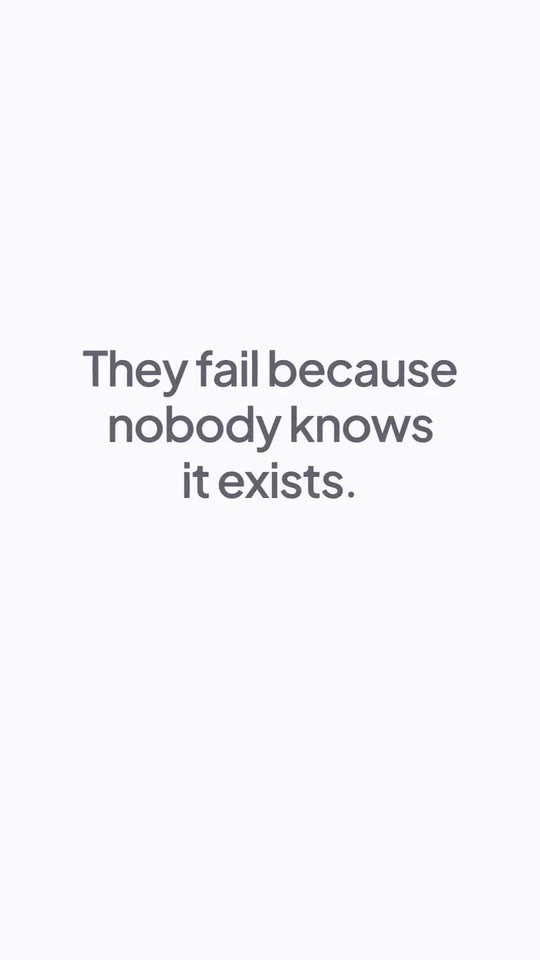
Scenes: The belief, with the product in a card (0–2.7 s); Nobody knows it exists (2.7–4.95 s); The hit: copied everywhere (4.95–6.48 s); Your figures (6.48–8 s); Name, role and call to action (8–10 s).
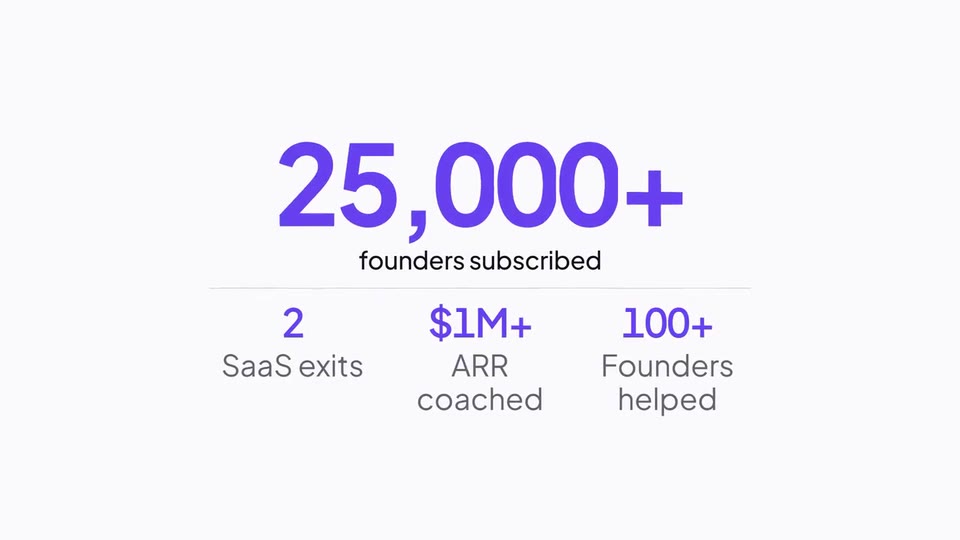
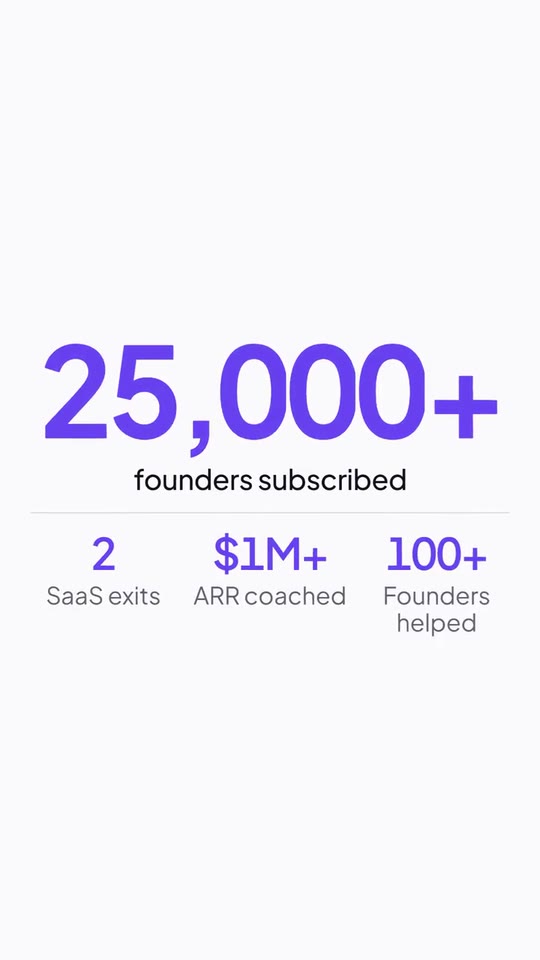
brandName(text, 2–20 characters): Brand name. How your name or brand is written. With no logo it becomes the logotype. The brand's own: never the demo's. Scene "Name, role and call to action" at 8.4 s: 16:9 · 9:16.logo(image, 1:1, cropped): Your app or brand icon, square and full bleed. Square: your face or your mark, shown in a circle that it fills completely. Cropped to fill a 1:1 frame: keep the subject in the middle. The brand's own: never the demo's. Scene "Name, role and call to action" at 8.4 s: 16:9 · 9:16.brandColor(color, #RRGGBB): Brand color. The underline, the figures and the call to action. The page and the inks derive from it.theme(choice:light,dark; defaultlight): Page. Light for a brand whose site is light; dark for a brand that lives on dark.typeface(choice:sans,serif; defaultsans): Typeface. The face of every line, figure and name.layout(choice:scatter,columns; defaultscatter): How the copies spread. Scattered for a loud launch feel; columns for an editorial, list-like brand.line1(text, 20–60 characters): Line 1 · the belief. The first sentence of your thesis, as you wrote it. It should contain the word that goes in the card. Demo's line, for tone and length only: "Most founders don't fail because the product is bad.". Scene "The belief, with the product in a card" at 1.8 s: 16:9 · 9:16.cardWord(text, 3–12 characters): Word in the card. One word of line 1 that becomes the card: the thing nobody sees. It must be a word of line 1; if it is not, the longest word of line 1 takes the card. Demo's line, for tone and length only: "product". Scene "The belief, with the product in a card" at 1.8 s: 16:9 · 9:16.cardWords(text, 0–78 characters): Copy labels (optional). Up to four short labels for the copies, separated by commas, each at most 18 characters, taken from your site (products, issues, recipes). Empty: every copy repeats the card word. Optional. Scene "The hit: copied everywhere" at 5.9 s: 16:9 · 9:16.line2(text, 10–48 characters): Line 2 · the real reason. The second sentence: why it goes wrong, in the quiet ink. End it with a period: the card shrinks into that period, then drops and bursts on the hit. Demo's line, for tone and length only: "They fail because nobody knows it exists.". Scene "Nobody knows it exists" at 4.2 s: 16:9 · 9:16.line3(text, 8–28 characters): Line 3 · the hit. Your punchline. Lands on the drop while the card is copied everywhere around it. Demo's line, for tone and length only: "Distribution is the job.". Scene "The hit: copied everywhere" at 5.9 s: 16:9 · 9:16.line3Mark(text, 2–14 characters): Words to underline. The last word or words of line 3 that get the hand-drawn underline. Not found: the last word. Demo's line, for tone and length only: "the job.". Scene "The hit: copied everywhere" at 5.9 s: 16:9 · 9:16.bigStat(text, 1–9 characters): Big figure. Your largest public figure, digits roll in. Write it as you publish it (25,000+, 1.2M, 98%). Demo's line, for tone and length only: "25,000+". Scene "Your figures" at 7.6 s: 16:9 · 9:16.bigStatLabel(text, 4–28 characters): Big figure label. What the big figure counts, as you write it. Demo's line, for tone and length only: "founders subscribed". Scene "Your figures" at 7.6 s: 16:9 · 9:16.stat1(text, 1–6 characters): Figure 1. A short public figure. Demo's line, for tone and length only: "2". Scene "Your figures" at 7.6 s: 16:9 · 9:16.stat1Label(text, 3–18 characters): Figure 1 label. What figure 1 counts. Demo's line, for tone and length only: "SaaS exits". Scene "Your figures" at 7.6 s: 16:9 · 9:16.stat2(text, 1–6 characters): Figure 2. A short public figure. Demo's line, for tone and length only: "$1M+". Scene "Your figures" at 7.6 s: 16:9 · 9:16.stat2Label(text, 3–18 characters): Figure 2 label. What figure 2 counts. Demo's line, for tone and length only: "ARR coached". Scene "Your figures" at 7.6 s: 16:9 · 9:16.stat3(text, 1–6 characters): Figure 3. A short public figure. Demo's line, for tone and length only: "100+". Scene "Your figures" at 7.6 s: 16:9 · 9:16.stat3Label(text, 3–18 characters): Figure 3 label. What figure 3 counts. Demo's line, for tone and length only: "Founders helped". Scene "Your figures" at 7.6 s: 16:9 · 9:16.role(text, 4–40 characters): Who you are. The line under your name, as on your site. Demo's line, for tone and length only: "2x SaaS founder · Coach · Investor". Scene "Name, role and call to action" at 9.4 s: 16:9 · 9:16.cta(text, 4–22 characters): Call to action. Your button's words, as on your site. The cursor clicks it on the last beat. Demo's line, for tone and length only: "Join the newsletter". Scene "Name, role and call to action" at 9.4 s: 16:9 · 9:16.